
Category: Professional practice
Category: Professional practice |
| Teaching and Learning Forum 2014 [ Refereed papers ] |
Andrew Cotterell and Linley Lord
Curtin University
Email: Andrew.t.cotterell@curtin.edu.au, lord.linley@gsb.curtin.edu.au
Curtin University has established the Curtin Leadership Centre (CLC) to progressively increase the number of students engaged in leadership development, such that in 2017, 25,000 students will have had some leadership development experience. Based on the Social Change Model of Leadership Development the CLC has developed an engaging co-curricular leadership program that is available both face to face and online. Diverse student engagement strategies, rapid student feedback loops and researched strategies have contributed to high participation levels and very high satisfaction with the program. As the CLC looks to increase in scale continuous evaluation and improvement, more engaging online platforms, embedding content within existing units and developing new curricula units will be required to meet the ambitious targets.
The University's strategic plan (2013-2017) outlines the University's new vision and mission, and has identified leadership as core to achieving its goals (Curtin University, 2012). One area of focus that is of particular relevance to student leadership development is to 'provide opportunity for graduates, equipping them with skills for the future' (Curtin University, 2013, p. 4).
In line with its strategic direction the University has embarked on an ambitious program to transform learning at Curtin. 'Learning for Tomorrow Ð Transforming Learning at Curtin' is a university wide strategy that aims to improve the student experience and ensure that graduate outcomes align with employer expectations. This strategy has resulted in a range of projects across the university including the establishment in 2013 of the Curtin Leadership Centre (CLC). Supported by strategic and Student Services and Amenities Fee funding the CLC has developed a range of co-curricular programs to enhance and extend the leadership development opportunities available to students. To this end an ambitious target has been set of 25,000 students engaged in leadership development activities in 2017.
The CLC provides and connects students to leadership development opportunities both within and external to Curtin. This includes both face to face and online leadership development modules, volunteering opportunities including leadership positions, community service and the provision of scholarships and grants to outstanding students to participate in leadership development opportunities interstate and overseas.
This paper describes the implementation of the pilot co-curricular program in Semester 1, 2013. The decision to adopt the Social Change Model of Leadership Development which underpins the CLC is explored with examples of existing leadership programs in the USA and the UK examined. A comparison between the Social Change Model and Curtin's existing leadership development approaches follows with high levels of alignment. Reflections of the pilot program include what has worked well, what has been improved and why, lessons that have been learned as the program continues to develop, and the likely challenges ahead in up scaling the program.
The SCM views leadership as a collaborative, values based process that results in positive social change for the community. According to Komives and Wagner (2012, p. 10) social change 'addresses each person's sense of responsibility to others and the realisation that making things better for one pocket of society makes things better for the society as a whole'.
| Value | Definition |
| Change | As the hub and ultimate goal of the Social Change Model, change gives meaning and purpose to the other Cs. Change means improving the status quo, creating a better world, and demonstrating a comfort with transition and ambiguity in the process of change. |
| Citizenship | Citizenship occurs when one becomes responsibly connected to the community/society in which one resides be actively working toward change to benefit others through care, service, social responsibility and community involvement. |
| Common purpose | Common purpose necessitates and contributes to a high level of group trust involving all participants in shared responsibility towards collective aims, values and vision. |
| Collaboration | Collaboration multiplies a group's effort through collective contributions, capitalising on the diversity and strengths of the relationships and interconnections of individuals involved in the change process. |
| Controversy with civility | Within a diverse group, it is inevitable that differing viewpoints will exist. In order for a group to work toward positive social change, open, critical and civil discourse can lead to new, creative solutions and is an integral component of the leadership process. |
| Consciousness of self | Consciousness of self requires an awareness of personal beliefs, values, attitudes and emotions. Self-awareness, conscious mindfulness, introspection and continual personal reflection are foundational elements of the leadership process. |
| Congruence | Congruence requires that one has identified personal values, beliefs, attitudes and emotions and acts consistently with those values, beliefs and emotions. |
| Commitment | Commitment requires an intrinsic passion, energy and purposeful investment toward action. Follow-through and willing involvement through commitment lead to positive social change. |
Figure 1 below shows how the three dimensions and the relevant values interact and intersect with each other. Development is seen as interactive and ongoing, and the application of the values to real world experiences provides the opportunity for deeper learning and understanding of leadership and social change.
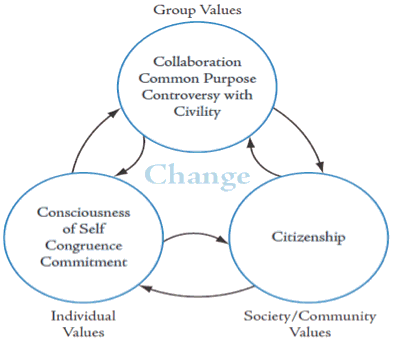
Figure 1: The Social Change Model and change (Komives & Wagner, 2012, p. 55)
Adapted from (Astin & Astin, 1996)
Learning and growth in any of the dimensions improves understanding in the other dimensions. The interaction across levels and between values contributes to positive social change, the eighth value associated with this model (Astin & Astin, 1996).
One of the differentiating factors in the SCM is the fundamental aspect of creating a better world for others and the understanding of and addressing social issues at the cause level (Astin & Astin, 1996; Komives & Wagner, 2012), which aligns strongly with Curtin's Strategic goals and its desire to 'Make Tomorrow Better' (http://www.maketomorrowbetter.com.au/).
There is considerable research and evaluation that supports the application of the SCM in both curricular and co-curricular programs (see for example Dugan, 2006a, 2006b; Haber, 2011; Haber & Komives, 2009; Rubin, 2000). The Socially Responsible Leadership Scale is an academically valid assessment tool (Dugan & Komives, 2007) that measures students' leadership capacity in terms of the SCM. This addresses one of the challenges of leadership development, that it is difficult to define, assess and evaluate. Studies have shown that both curricular (Buschlen & Dvorak, 2011) and co-curricular leadership development programs (Dugan & Komives, 2007; Owen, 2012) based on the SCM can increase students' leadership skills and knowledge.
Curtin's Leadership Framework is focussed on staff development and encompasses both leadership and management, taking a managerial leadership approach. It considers both relationship and task focused approaches and recognises that staff can be in formal or informal leadership roles. Quinn et al's (2007) Competing Values Framework and Vilkinas' (2009) adaptation for academic leadership underpins the framework which lists 20 capabilities. Each of these has supporting behavioural statements and these are used to underpin leadership and management development activities.
This framework is not intended to be applied to student leadership development and does not address the purpose of leadership for social change, but as would be expected, focuses on organisational improvement.
However, there is an alignment between the SCM and the University's Leadership Framework. Core components from each model, as well as Kouzes and Posner's (2008) Student Leadership Challenge and Senge's (1994) Fifth Discipline were mapped. Kouzes and Posner was selected due to its focus on student leadership development and Senge because of the high impact of his work and its application in organisational practice. Senge was been named as 'Strategist of the Century' in 1999 by the Journal of Business Strategy and in 1997 Harvard Business Review named The Fifth Discipline as a key seminal management book (Smith, 2001).
This mapping exercise demonstrated the degree of overlap between these leadership development approaches despite their different intended audiences. They all have a values based approach that involves self-awareness, working with others and seeking to make a positive change through leadership. Thus the Curtin Leadership Centre's use of the SCM was suitable for use and is congruent with the University's approach to leadership development.
The environmental scan of student leadership programs focussed on universities in the USA, UK and Australia, given the similarities in approach to university education. Programs were examined (based on the web information that was available) using a set of criteria found to result in effective outcomes as indicated by the literature. Particular focus was placed on programs that had implemented the SCM.
The criteria included the presence of formal leadership programs that operated at the organisational level; some form of learning and assessment embedded in the program; positions available to students where they could practice leadership including in student organisations or through some form of volunteer activity; community service was an integral element of program design; short term intensive programs were available; peer leadership opportunities were encouraged; and tailored training was available for specific groups.
The scan indicated that although the SCM is used extensively throughout the US, and informs some programs in the UK, it is not used widely by Australian universities.
Evaluations of the programs operating in the US showed that even attending a single short-term training session (e.g. a one-hour workshop) reported significantly higher leadership outcomes than those who had no training (Dugan 2007). Community service was also found to have a positive influence on practicing socially responsible leadership, with the strongest effect in relation to the SCM on students' Citizenship and Collaboration capacity (Dugan & Komives, 2007; Skendall, 2012).
The various methods of program delivery were examined to identify effective approaches for student leadership development. Class discussion, particularly around socio-cultural issues, and instructional strategies were regarded as the best strategies for conceptual learning and personal growth. Class discussion has been referred to as 'the signature pedagogy for undergraduate leadership education' (Walker 2009).
Not surprisingly socio-cultural conversations and discussions were widely regarded as the 'single strongest environmental predictor of growth across SCM values as well as Leadership Efficacy' (Dugan & Komives, 2007). It is suggested that universities should provide as many formal and informal opportunities as possible for students to talk about different lifestyles; multiculturalism and diversity; and major social issues such as peace, human rights, and justice. Discussions with students whose political opinions or personal values are very different from their own were also strongly encouraged (Dugan & Komives, 2007; Osorio, 2013; Skendall, 2012).
Interestingly students that reported any level of involvement in campus clubs and organisations demonstrated significantly higher scores across all of the SCM values including a moderate effect on Collaboration, Common Purpose, and Citizenship (Dugan & Komives, 2007; Osorio, 2013). Self-reflection was found to be a common assessment tool (Walker 2009) and practicing self-awareness and reflection has been associated with improved leadership capacity (Dugan & Komives, 2007) and authentic leadership (Avolio & Gardner, 2005; Gardner, Avolio, Luthans, May, & Walumbwa, 2005).
The structure of the co-curricular programs was varied. A number of the university programs examined offered a range of opportunities for students which they could access according to their own development needs (see for example UCLA Bruin Leaders Project). Others had a more formal structure that required students to complete certain activities or components before moving onto the next stage of the program (see for example Kean University and University of Texas).
The environmental scan did not identify any program approaching the 25,000 students the CLC is aiming for in 2017. University of Maryland had one of the larger engagement rates of the universities whose programs were investigated, with just over 1,000 students attending at least one co-curricular leadership program each year, and approximately 18,800 students (out of a total student population of approximately 37,600) engaging in some level of community service each year (http://thestamp.umd.edu/leadership_community_service_learning/about_lcsl/quick_facts).
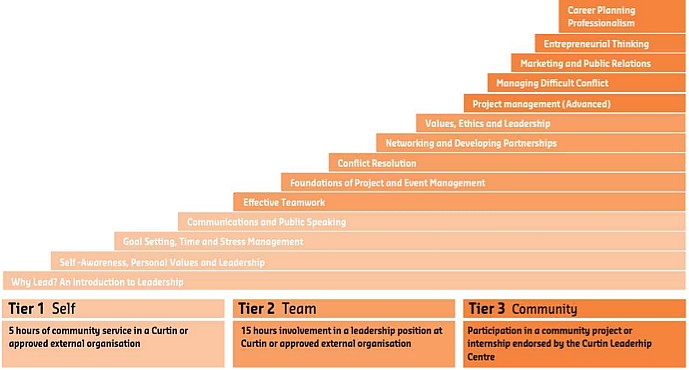
Figure 2: Initial program structure for pilot program
The major focus of the pilot program was the development and delivery of modules in both face to face and online formats for the Self and Team Leadership tiers. The initial focus was on the development of the four Self Leadership modules.
Four of the five Team Leadership modules were developed. Two were delivered face to face but all were available online over the course of the pilot program. The third tier for the initial pilot program was participation in the John Curtin Leadership Academy program. This was an established program at the University (and is discussed in more detail below) that had previously been offered over the course of the full academic year.
The format for the majority of the face to face two-hour workshops included a high profile keynote speaker who exemplified the SCM values, and a range of interactive, experiential learning activities. Online content was delivered through the Blackboard learning management software for the modules that had been developed. The online modules consisted of approximately two-hours of work including text-based content, videos, quizzes and exercises. To complete an online module, students were required to write three posts in the discussion forums or post once and submit a reflection piece.
A wide variety of methods were used to promote the programs including through lecturers, posters around campus, Facebook, email, the Curtin website and computer lab desktop screens. Significant work was also done to engage program coordinators and student clubs on campus whose members would potentially benefit from the CLC programs. In particular we targeted programs that already had a volunteer or community service aspect such as the Curtin Student Ambassadors program. Curtin Student Ambassadors act as role models for future students and provide insight based on their experiences about studying at the University. Internal support was strengthened through inviting senior leaders from within Curtin to attend the workshops including to introduce guest speakers.
Figure 3 shows the average satisfaction ratings for the face to face workshops. Students were asked to rate the seven areas listed in the figure below on a five point Likert scale. For example students were asked rate the workshop as: Excellent, Good, Average, Poor, or Very Poor. The other questions required a response that ranged from: Strongly Agree, Agree, Neutral, Disagree, to Strongly Disagree). Scores in the figure indicate the percentage of student responses that responded 'Excellent' or 'Good', and 'Strongly Agree' or 'Agree'. Students were also able to provide additional qualitative comments. The response rate was approximately 49% of attendees.
An online survey was distributed to students via email at the end of Semester one to assess the impact of the program on students' leadership development. 54 responses were received, of which there were 36 usable surveys. This gave us a response rate of 9% (usable surveys). It has been acknowledged that considerable effort can be required to increase response rates of web based surveys (Sánchez-Fernández, Muñoz-Leiva, & Montoro-Ríos, 2012; Sauermann & Roach, 2013). One follow-up reminder was sent but did not greatly increase the response rate. Five student interviews (one face to face and four via telephone) were also undertaken.
In addition to the figures above, the key outcomes from the evaluation were that the majority of students surveyed found the online modules (87%) and workshops (97%) useful to their development as leaders. Of those who answered the question relating to the application of leadership skills over 70% per cent believed they were able to apply the skills learnt at workshops/online during their volunteering or whilst holding a development position. Students identified three reasons for wanting to be involved in CLC programs, benefiting on a personal level, employability, and community benefits. The main reason identified for not wanting to be involved was a lack of time.
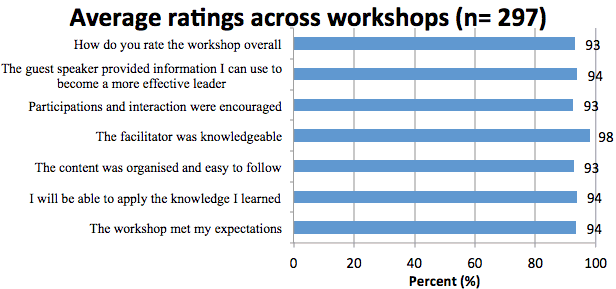
Figure 3: Average ratings for face to face workshops
In addition to the formal evaluation that was undertaken the CLC team regularly met and discussed the program with a focus on continuous improvement and modelling best practice. The completion of the environmental scan coupled with informal feedback from students regarding what they saw as the restrictive nature of the tiered structure led to significant structural changes for the Semester two program.

Figure 4: Semester two program structure
(arrows indicate possible student pathways through the streams).
JCLA currently admits a maximum of 30 students who are selected through an application and interview process to ensure they have the commitment and the capacity to accommodate the additional workload without it impacting on their academic grades. The program commences with a 3-day residential 'Foundations of Leadership Camp', followed by six leadership workshops through the semester to support their project work. The students work on community projects in association with Not for Profit Organisations. At the completion of their project students outline their achievements and key learning to an audience of industry leaders at their graduation evening.
To evaluate their leadership development, students completed a self-assessment of leadership capabilities before attending the leadership camp, and complete the same assessment after the completion of the program. Qualitative team debriefs are also be undertaken to determine if the learning outcomes are being achieved and to gain further insight into the students' experience.
The practical, real-world experience of completing significant community projects is the defining feature of the JCLA, and has proved to be transformational for students who embrace the program. Past projects include 'Minute of Noise' a fundraising and awareness campaign for the Global Good Foundation which aims to break down barriers and enable children to speak out about domestic violence by inviting them to make a 'minute of noise'. This campaign has now reached over 20,000 school children around the world (The Global Good Foundation, 2010) as well as engaging community, political and business leaders. Another major project was the establishment of the Curtin 'Relay for Life'. This is a major fundraising event for the Cancer Council of WA that celebrates survival, honours those lost to cancer and offers hope for a cancer-free future (The Cancer Council Western Australia, 2013). It is undertaken at a range of sites throughout the State and as a result of the JCLA project is now an annual event at Curtin, having raised over $120,000 over the past two years.
Table 2 below shows that there has been over 4,000 direct student engagements with CLC programs this year to date with additional workshops still to run. The decrease in student numbers in Semester Two is to be expected with a new program. These figures are highly encouraging however the additional new students that we engage each semester from now on that we will now be looking to grow.
| Semester 1 2013 (as at 5/07/13) | Semester 2 2013 (as at 9/10/13) | Total number of engagements in 2013 | |
| Co-curricular workshop attendance | 854 | 378 | 1232 |
| In curricula workshop attendance | 1800 | 600 | 2400 |
| Online content registrations | 460 | 720 (includes 460 from first semester) | 720 |
| John Curtin Leadership Academy | 0 | 30 | 30 |
| Total | 3114 | 1728 | 4382 |
Two approaches are being pursued to embed leadership within the curriculum. Firstly a leadership unit informed by the SCM is being developed. An advisory group which includes representatives from the faculties as well as other experts from the teaching and learning area of the University has been established. The aim of the advisory group is to help inform the approach taken, which is for an experientially based unit that encourages students to address key social issues.
The second approach is to embed elements of leadership for social change into existing curriculum units. This is seen as particularly relevant for project or research based units and was trialled in 2013 with Team Function workshops in the first year Health Science unit 'Foundations for Professional Health Practice 100'.
At the co-curricular level the CLC aims to improve the number of students and the level of engagement in the online modules. As a result we are redesigning the online learning environment. The new online platform will include more two-way learning experiences by allowing students to select their own leadership pathway and demonstrate their learning by completing activities, discussing ideas with their peers, participating in volunteer work, and reflecting on their experiences. They will also have the opportunity to apply their knowledge by participating in a team based project developing an idea for positive social change. We expect that this will be more engaging, as well as deliver leadership concepts in a more realistic context. In the future, the online platform will have the capacity to work across multiple co-curricular programs and support services at Curtin.
There have been many opportunities for learning throughout the implementation of these programs. At the start of the year the CLC was given the BHAG (big hairy audacious goal) (Collins & Porras, 1996) of engaging 25,000 students in 2017. Multiple ideas and approaches were generated and trialled to achieve this. The team became adept at adapting and prototyping in order to respond to both the needs of our students and the demands of the University to build a program that is well liked by students and has the potential to scale up.
The initial successes of the program has certainly resulted in support but also raised future expectations. Constant evaluation and improvement is required to manage this extra pressure and achieve positive short term gains, whilst also building capacity for long term success. Various methods of accessing timely feedback from students have been established, such as evaluation sheets at each workshop, easy lines of communication with students via email and being accessible for students to talk to us face to face. Areas for immediate improvement have been identified, demonstrating that we value student feedback. Our commitment to continuous improvement also involves frequent scans of the literature for proven examples of successful programs.
One challenge is that leadership development is difficult to measure with many recommendations needing to be considered for future evaluations. It has been noted that the evaluation of Leadership Programs, including how they achieved their outcomes, is difficult (Barker, 1997; Eich, 2008; Grove, Kibel, & Haas, 2005; Rosch & Schwartz, 2009). It has been shown that existing background characteristics contribute as much if not more to the outcome than program effect (Dugan & Komives, 2007). Attribution of outcomes to the program should include consideration of previous experiences. Additionally Rosch's work (2009) outlines common errors in assessing leadership programs. The full impacts of Leadership Programs are often not seen until months or years after the end of the program. The CLC will be required to report outcomes over much shorter timeframes and perhaps before the full impact of the program has been realised. This may impact on the perceived success of the program. The variety of targeted evaluation methods used by the CLC may help offset this.
Engaging students in a co-curricular program is also a challenge. Technical and curriculum experts assisted in the development of an experience that is meaningful engaging, relevant, challenging and fun. However, students are often time poor and engaged students are likely to be involved in a range of opportunities. To support these students and expand the student experience, these opportunities were connected and leveraged via CLIC. Formal recognition will also be given to students who are significantly involved in co-curricular programs which they will be able to use when seeking employment.
A wide variety channels must be used to raise the program profile with students. The CLC Facebook has grown to over 500 likes and is used to promote CLC events and leadership development opportunities. Short 'talking head' style videos of CLC staff introducing the workshops have had positive responses from students. Emails, posters, desktop displays and promotion during lectures have also been used to engage students.
As expected, the environmental scan showed that engagement increases when leadership programs are part of curriculum. However, numbers remain well below the targets that have been set at Curtin. Despite these challenges engagement levels to date have been higher than anticipated. Delivering leadership training in curriculum was successful and the CLC will continue to explore other opportunities to be involved in curricula units.
The CLC has a dynamic adaptable, technically savvy, energetic, smart and young team who can provide close connection to our target audience. Maintaining staff engagement as the CLC progresses from the excitement of development to implementation and maintenance is a challenge that lies ahead. It is difficult for new programs to become universally accepted in a crowded environment such as Curtin without wide level staff support. Collaborating with staff to ensure that the CLC programs are relevant to their students as well as keeping them informed of available opportunities is both a challenge and an essential foundation to long term sustainably of the program.
Avolio, B. J. & Gardner, W. L. (2005). Authentic leadership development: Getting to the root of positive forms of leadership. The Leadership Quarterly, 16(3), 315-338. http://dx.doi.org/10.1016/j.leaqua.2005.03.001
Barker, R. A. (1997). How can we train leaders if we do not know what leadership is? Human Relations, 50(4), 343-362. http://dx.doi.org/10.1023/A:1016950726862
Buschlen, E. & Dvorak, R. (2011). The social change model as pedagogy: Examining undergraduate leadership growth. Journal of Leadership Education, 10(2), 38-56. http://www.leadershipeducators.org/Resources/Documents/jole/2011_Summer/Buschlen%20and%20Dvorak.pdf
Collins, J. C. & Porras, J. I. (1996). Building your company's vision. Harvard Business Review, 74(5), 65-77. http://hbr.org/1996/09/building-your-companys-vision/
Curtin University (2012). Annual Report. Perth: Curtin University. http://about.curtin.edu.au/annual-reports.cfm
Curtin University (2013). Strategic Plan 2013-2017. Perth: Curtin University. http://strategicplan.curtin.edu.au
Dugan, J. P. (2006a). Explorations using the social change model: Leadership development among college men and women. Journal of College Student Development, 47(2), 217-225. http://dx.doi.org/10.1353/csd.2006.0015
Dugan, J. P. (2006b). Involvement and leadership: A descriptive analysis of socially responsible leadership. Journal of College Student Development, 47(3), 335-343. http://dx.doi.org/10.1353/csd.2006.0028
Dugan, J. P. & Komives, S. R. (2007). Developing leadership capacity in college students. College Park, MD Multi-Institutional Study of Leadership. https://nclp.umd.edu/include/pdfs/MSLReport-FINAL.pdf
Eich, D. (2008). A grounded theory of high-quality leadership programs: Perspectives from student leadership development programs in higher education. Journal of Leadership & Organizational Studies, 15(2), 176-187. http://dx.doi.org/10.1177/1548051808324099
Gardner, W. L., Avolio, B. J., Luthans, F., May, D. R. & Walumbwa, F. (2005). "Can you see the real me?" A self-based model of authentic leader and follower development. The Leadership Quarterly, 16(3), 343-372. http://dx.doi.org/10.1016/j.leaqua.2005.03.003
Grove, J. T., Kibel, B. M. & Haas, T. (2005). EvaluLead: A guide for shaping and evaluating leadership development programs. California: Public Health Institute. http://leadershiplearning.org/system/files/evalulead_0.pdf
Haber, P. (2011). Peer education in student leadership programs: Responding to co-curricular challenges. New Directions for Student Services, 2011(133), 65-76. http://dx.doi.org/10.1002/ss.385
Haber, P. & Komives, S. R. (2009). Predicting the individual values of the social change model of leadership development: The role of college students' leadership and involvement experiences. Journal of Leadership Education, 7(3), 133-166. http://leadershipeducators.org/Resources/Documents/jole/2009_winter/JOLE_7_3_Haber_Komives.pdf
Kezar, A. J., Carducci, R. & Contreras-McGavin, M. (2006). Rethinking the"L" word in higher education: The revolution of research on leadership. ASHE Higher Education Report, Volume 31, No. 6. Wiley. http://au.wiley.com/WileyCDA/WileyTitle/productCd-0787986771.html
Komives, S. R. & Wagner, W. (2012). Leadership for a better world: Understanding the social change model of leadership development. San Francisco: Jossey-Bass.
Kouzes, J. M. & Posner, B. Z. (2008). The student leadership challenge: Five practices for exemplary leaders. San Francisco, California: Jossey-Bass.
Osorio, T. (2013). A comparison of University A within the context of the multi-institutional study of leadership. Thesis paper, St. John's University. http://www.theresaosorio.com/uploads/1/2/0/6/12061547/edu_7901_mini_study.pdf
Owen, J. E. (2012). Findings from the multi-institutional study of leadership institutional survey: A national report. College Park, MD: National Clearinghouse for Leadership Programs. https://nclp.umd.edu/include/pdfs/MSL-IS%20Publication%20FINAL.pdf
Quinn, R. E., Faerman, S. R., Thompson, M. P., McGrath, M. R. & St Clair, L. S. (2007). Becoming a master manager: A competing values framework. New York: Wiley.
Rosch, D. M. & Schwartz, L. M. (2009). Potential issues and pitfalls in outcomes assessment in leadership education. Journal of Leadership Education, 8(1), 177-194. http://leadershipeducators.org/Resources/Documents/jole/2009_summer/JOLE_8_1_Rosch_Schwartz.pdf
Rubin, J. (2000). The emerging leaders: An evaluation of the social change model of leadership. Union Institute.
Sánchez-Fernández, J., Muñoz-Leiva, F. & Montoro-Ríos, F. J. (2012). Improving retention rate and response quality in web-based surveys. Computers in Human Behavior, 28(2), 507-514. http://dx.doi.org/10.1016/j.chb.2011.10.023
Sauermann, H. & Roach, M. (2013). Increasing web survey response rates in innovation research: An experimental study of static and dynamic contact design features. Research Policy, 42(1), 273-286. http://dx.doi.org/10.1016/j.respol.2012.05.003
Senge, Peter M. (1994). The fifth discipline fieldbook. Random House Digital, Inc.
Skendall, K. C. (2012). Socially responsible leadership: The role of participation in short-term service immersion programs. Thesis, University of Maryland. http://drumstage.lib.umd.edu/handle/1903/13128
Smith, M. K. (2001). Peter Senge and the learning organization. [viewed 11 Oct 2013] http://infed.org/mobi/peter-senge-and-the-learning-organization/
The Cancer Council Western Australia (2013). Relay for life. [viewed 11 Oct 2013] http://www.cancerwa.asn.au/getinvolved/fundraising/relayforlife/
The Global Good Foundation (2010). The Minute of Noise. [viewed 11 Oct 2013] http://www.ggf.org.au/minute-of-noise
Vilkinas, T. (2009). Improving the leadership capability of academic coordinators in postgraduate and undergraduate programs in business. Australian Learning and Teaching Council. http://ura.unisa.edu.au/webclient/DeliveryManager?pid=53591&custom_att_2=direct
Watt, W. M. (2009). Facilitative social change leadership theory: 10 recommendations toward effective leadership. Journal of Leadership Education, 8(2), 41-61. http://leadershipeducators.org/Resources/Documents/jole/2009_fall/Watt.pdf
| Please cite as: Cotterell, A. & Lord, L. (2014). Engaging tomorrow's leaders: Student leadership development at Curtin. In Transformative, innovative and engaging. Proceedings of the 23rd Annual Teaching Learning Forum, 30-31 January 2014. Perth: The University of Western Australia. http://otl.curtin.edu.au/professional_development/conferences/tlf/tlf2014/refereed/cotterell.html |
© Copyright 2014 Andrew Cotterell and Linley Lord. The authors assign to the TL Forum and not for profit educational institutions a non-exclusive licence to reproduce this article for personal use or for institutional teaching and learning purposes, in any format, provided that the article is used and cited in accordance with the usual academic conventions.